Quick answer: Wallpaper needs a smooth, stable wall surface to bond properly — which is a real problem for the log and heavily textured walls common throughout Big Bear cabins. Mountain temperature swings can also cause adhesive to cure poorly or the paper itself to expand and contract, leading to gaps or peeling. Wallpaper still works well here, just not on every wall — smooth drywall sections, accent walls, and interior rooms away from direct sun exposure are where it holds up best.
Why Does Wallpaper Need a Smooth Wall — and Why Is That a Problem for Log Cabins?
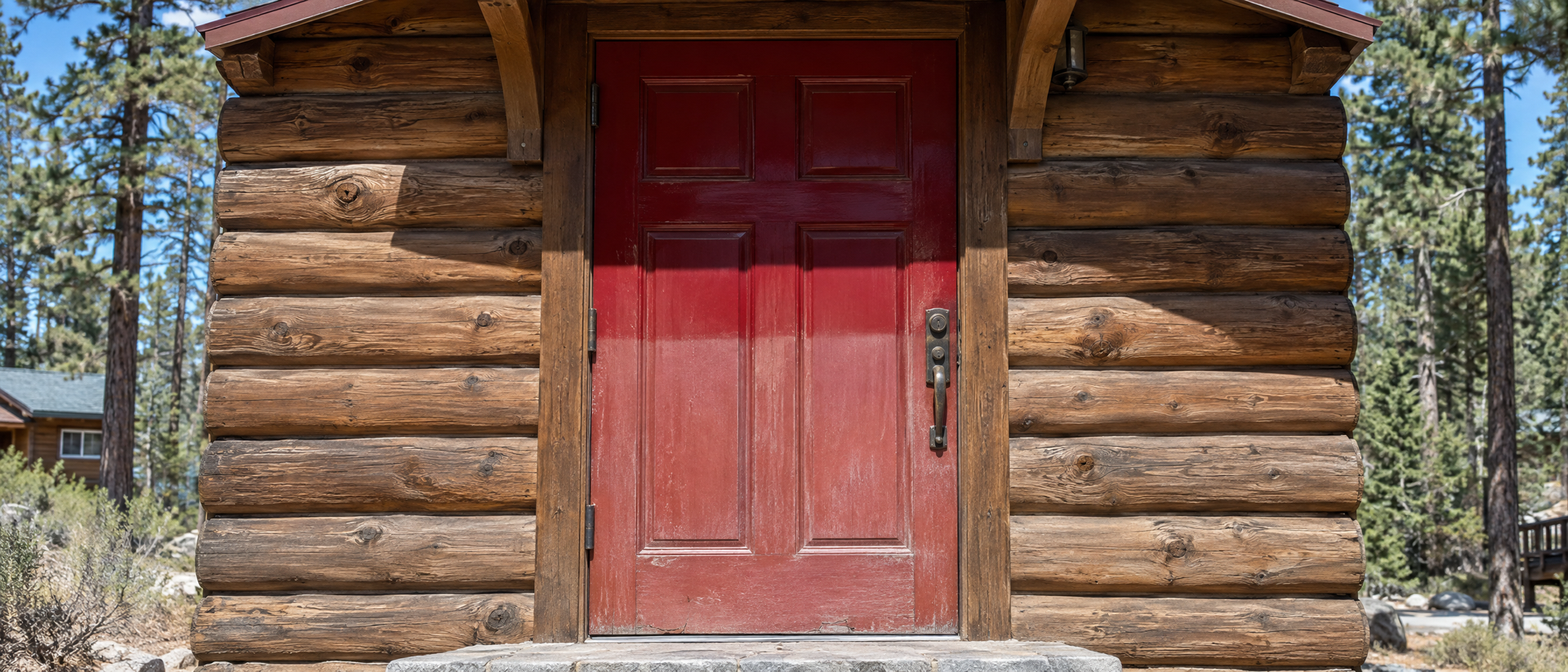
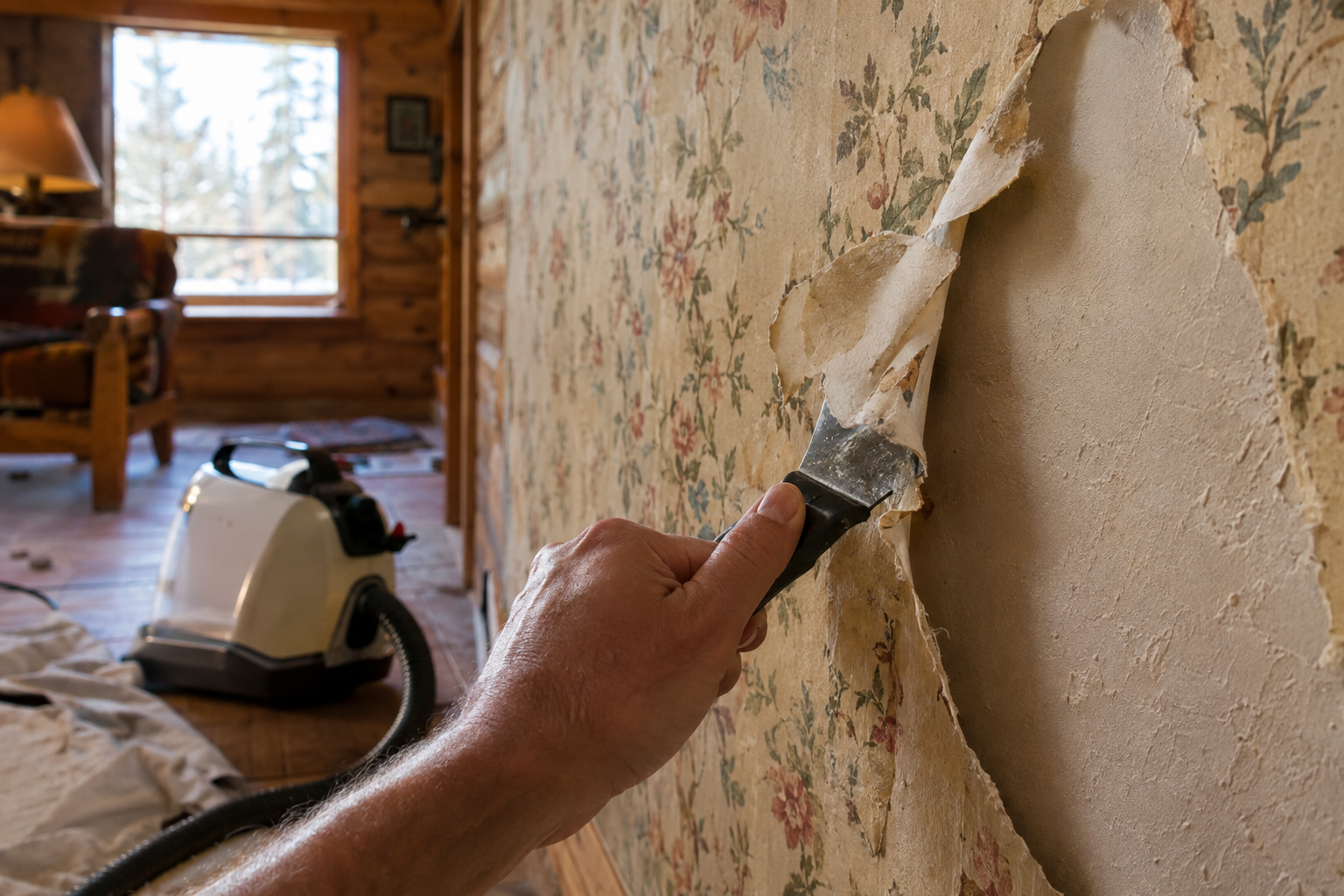
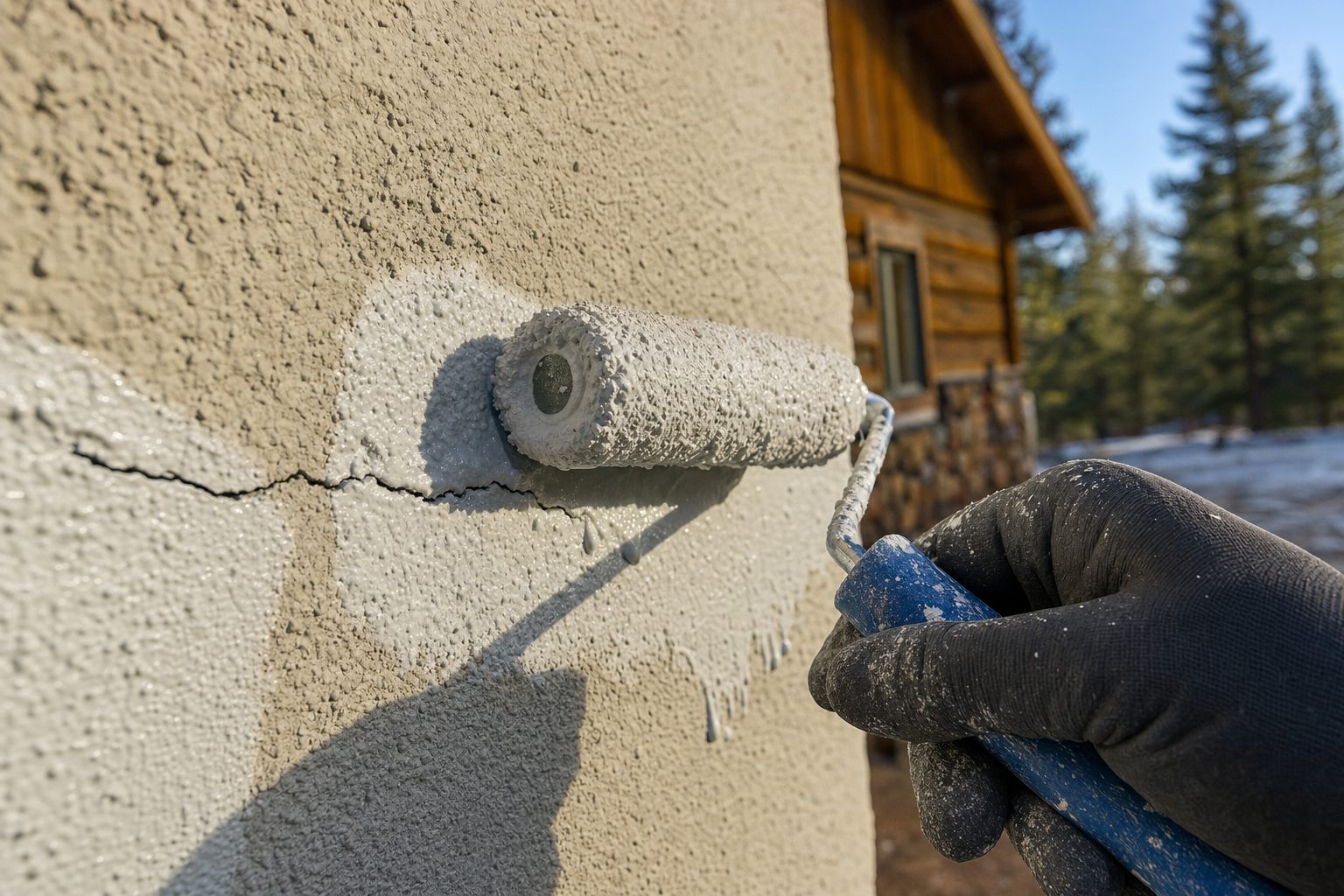
Wallpaper adhesive is designed to bond to a flat, even surface. Textured or bumpy walls create air pockets behind the paper as it's hung, which show up as visible bubbles right away or lead to peeling down the line as those trapped pockets expand and contract. Log walls are about as far from "flat and even" as a wall surface gets — the natural curve, grain, and gaps between logs mean wallpaper generally can't be applied directly to them without significant prep work, usually furring strips and a smooth backing layer installed over the log surface first. That's a real project in itself, not a simple hang-and-go job.
How Do Big Bear's Temperature Swings Affect Wallpaper Adhesive?
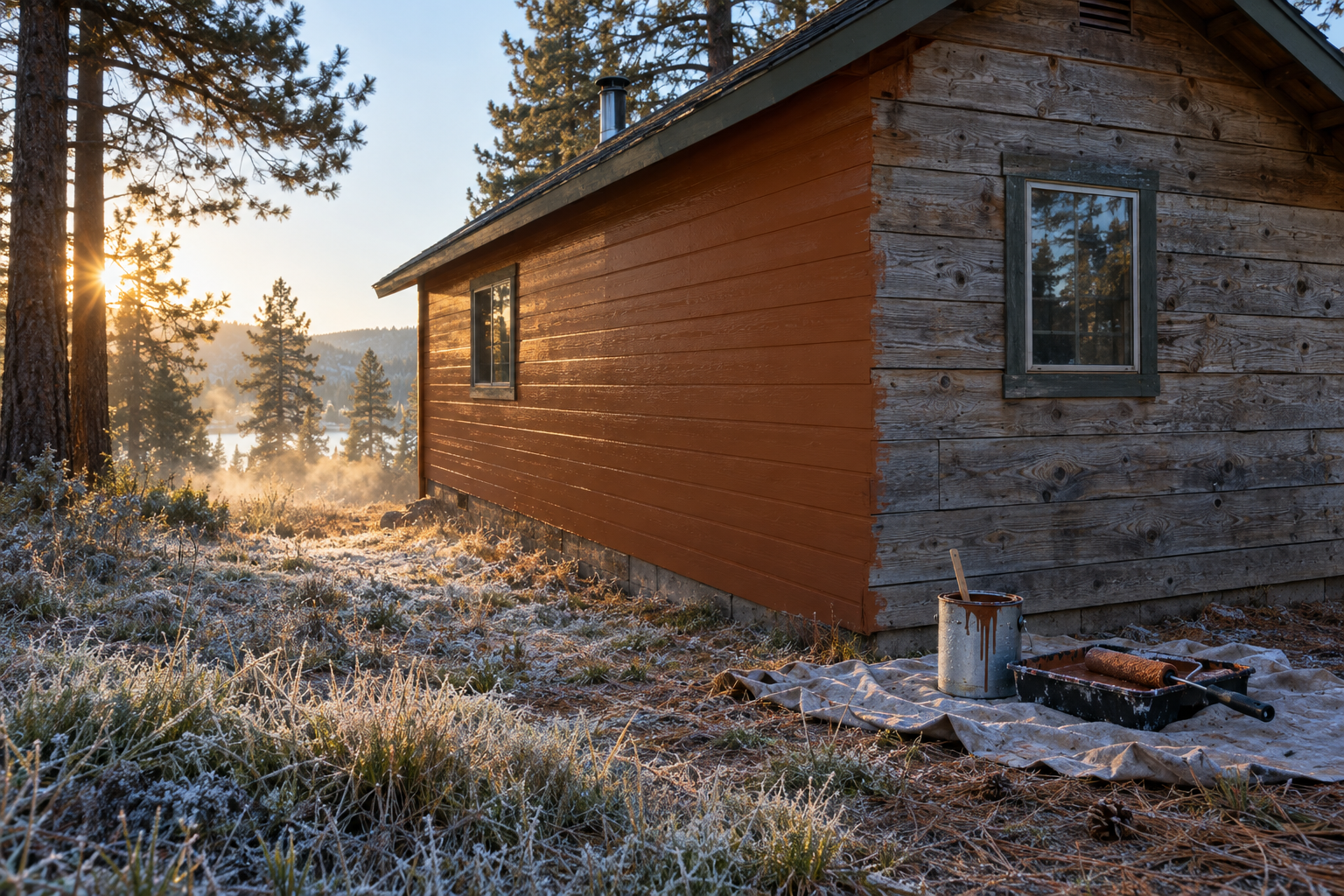
Temperature extremes interfere with how wallpaper adhesive cures. Cold temperatures make adhesive less tacky and harder to work with, while heat can make it too runny for a clean bond — and Big Bear's day-to-night temperature swings, especially in shoulder seasons, mean a room's climate can shift meaningfully between when you start a job and when it finishes drying. Beyond the adhesive itself, the wallpaper material expands in heat and can shrink back as temperatures drop, which is exactly how small gaps show up at seams months after a clean installation.
Does Elevation and Humidity From Snow Season Matter Too?
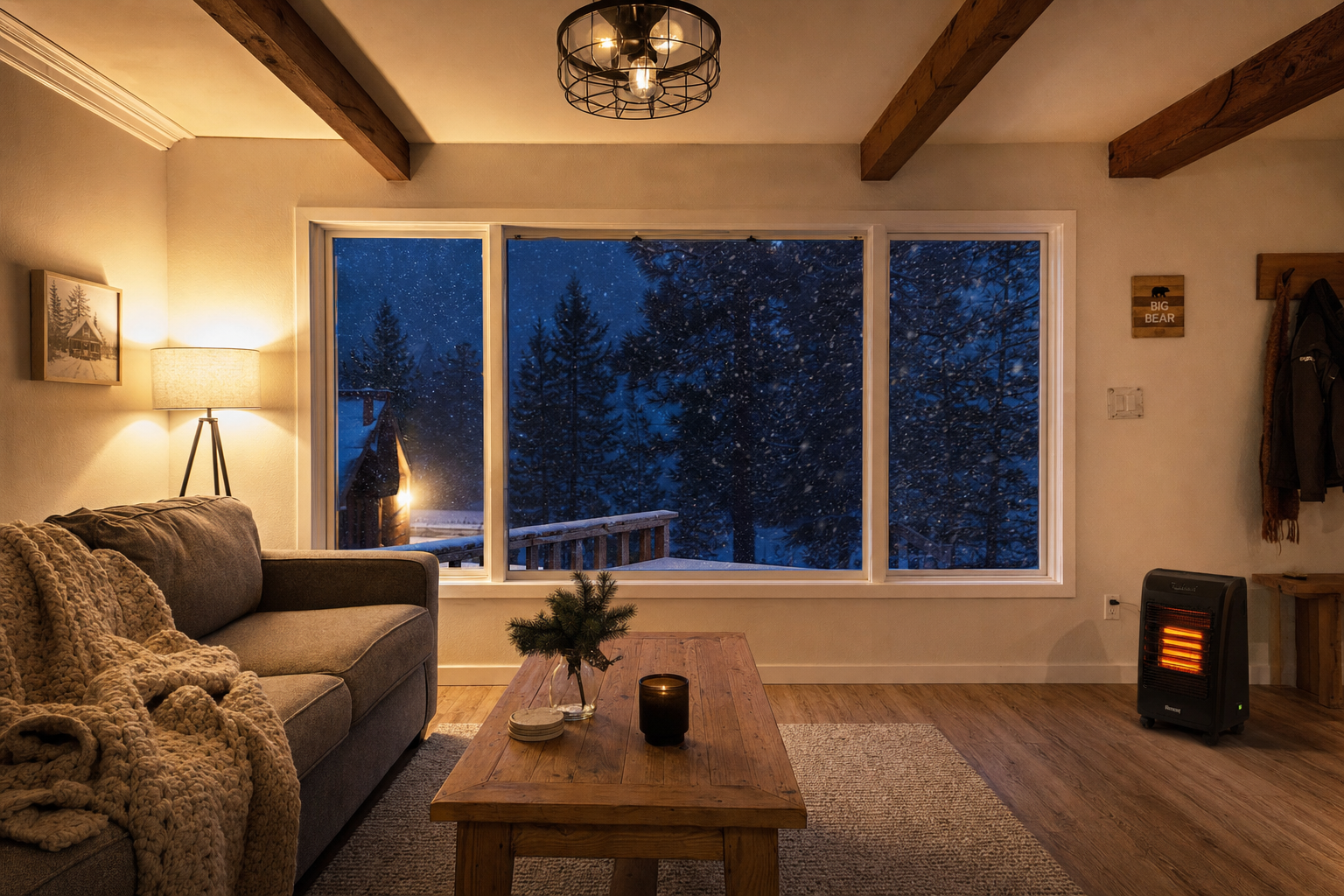
Yes. Adhesive generally needs wall moisture below roughly 4% and room humidity under about 65% to cure correctly — plasticized, over-saturated adhesive loses its grip strength permanently, and no amount of pressing fixes it after the fact. A Big Bear cabin coming off a heavy snow season, or one with a wood stove creating big swings in interior humidity as it cycles on and off, is exactly the kind of environment where checking conditions before installation matters more than it would in a climate-controlled tract home.
Where Does Wallpaper Actually Work Well in a Big Bear Home?
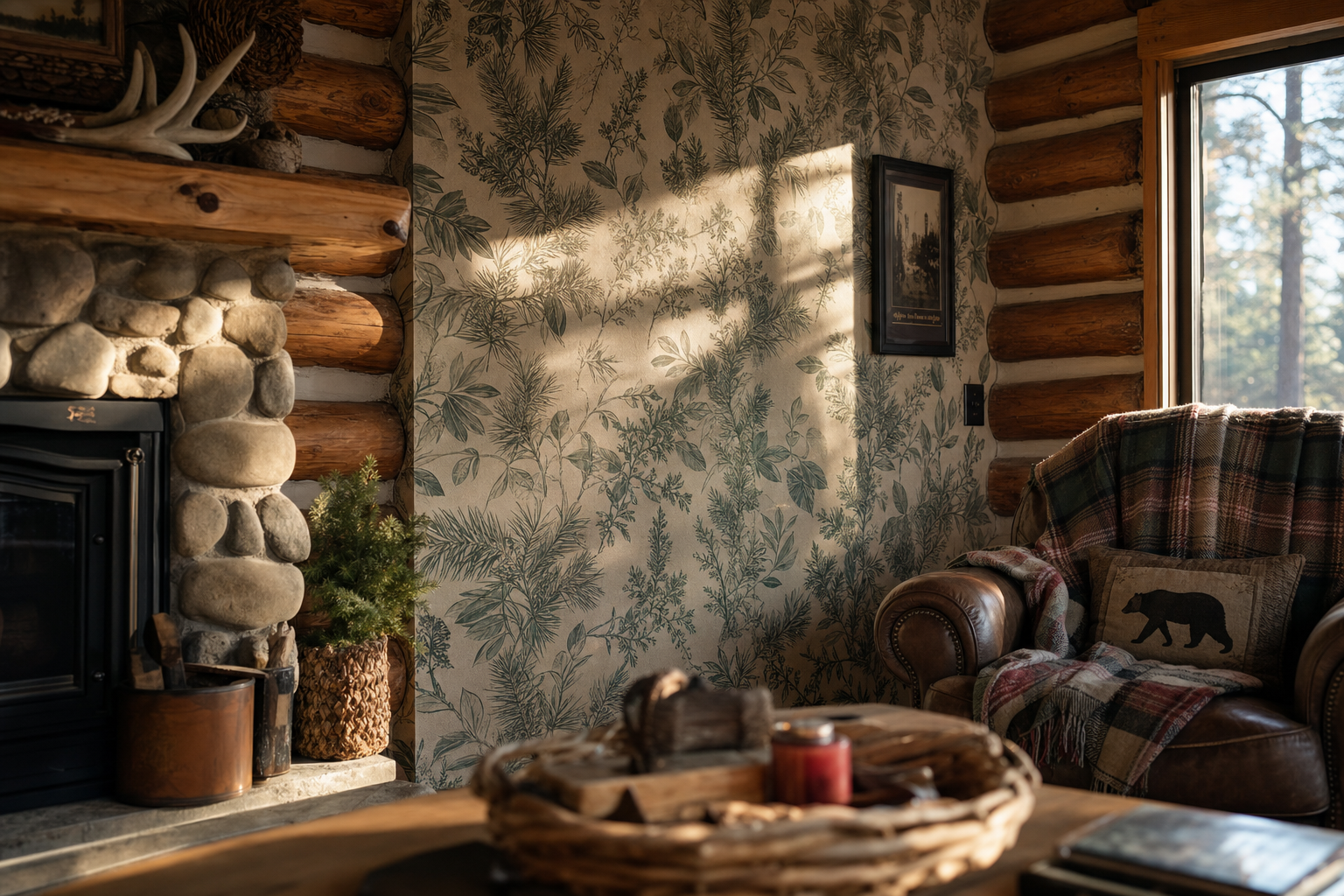
Despite all of this, wallpaper is far from off the table — it just needs the right surface and setting. Smooth drywall sections, interior powder rooms with proper ventilation, and single accent walls are all strong candidates, especially in newer construction or additions where the wall material is standard drywall rather than exposed log. This is also where a lot of Big Bear homeowners get the aesthetic they actually want: a striking nature-inspired or textured pattern on one contained wall, rather than trying to wallpaper an entire log-walled great room.
What About Peel-and-Stick Wallpaper for a Vacation Rental?
Peel-and-stick is popular for rentals because it's easy to update between tenants, but it's also the most sensitive product type to humidity and temperature cycling — the pressure-sensitive adhesive it uses can bubble and peel within 6 to 12 months in a room with significant moisture swings. For a Big Bear vacation rental specifically, this is worth weighing against the durability numbers we've covered in our
guide to interior paint for Big Bear rentals — a premium scrubbable paint often outlasts peel-and-stick wallpaper in exactly this kind of high-turnover, variable-climate setting.
What Does Professional Wallpaper Installation Cost in Big Bear?
Cost depends heavily on wall condition and prep required — a smooth, ready drywall wall costs far less to paper than a textured or log surface needing furring and backing work first. We assess wall condition on-site before quoting, since the prep work, not the wallpaper itself, is usually what drives the final number on a mountain property.
FAQ
Can you put wallpaper directly on log cabin walls?
Not directly. Log walls need furring strips and a smooth backing surface installed first, since wallpaper adhesive requires a flat, even wall to bond properly.
Does Big Bear's climate really affect wallpaper installation?
Yes. Temperature swings affect how adhesive cures and can cause the wallpaper material to expand and contract, leading to gaps at seams. Humidity above roughly 65% or wall moisture above 4% can also weaken the adhesive bond permanently.
Is peel-and-stick wallpaper a good option for a Big Bear vacation rental?
It can be, but it's the most humidity-sensitive wallpaper type and can bubble or peel within 6-12 months in a room with significant moisture swings. Premium scrubbable paint often holds up longer in the same conditions.
Where does wallpaper work best in a mountain home?
Smooth drywall sections, accent walls, and ventilated interior rooms like powder rooms are the strongest candidates, especially in newer construction rather than exposed log walls.
How much does it cost to prep a log wall for wallpaper?
It varies significantly based on the wall's condition, since furring and backing work to create a smooth surface is usually the bigger cost driver than the wallpaper material itself.
Wondering if wallpaper could work in your Big Bear home?
Call Big Bear Painters at (909) 415-5374 for a free on-site assessment.