Quick answer: Painting directly over old wallpaper is tempting, but it's usually a mistake — the moisture in wet paint can loosen the adhesive underneath, causing the wallpaper to bubble or peel away weeks or months later, taking the fresh paint with it. Proper removal, whether by steam or chemical solvent, takes more time upfront but gives you a surface that actually holds a new finish long-term.
Why Does Painting Over Old Wallpaper Usually Backfire?
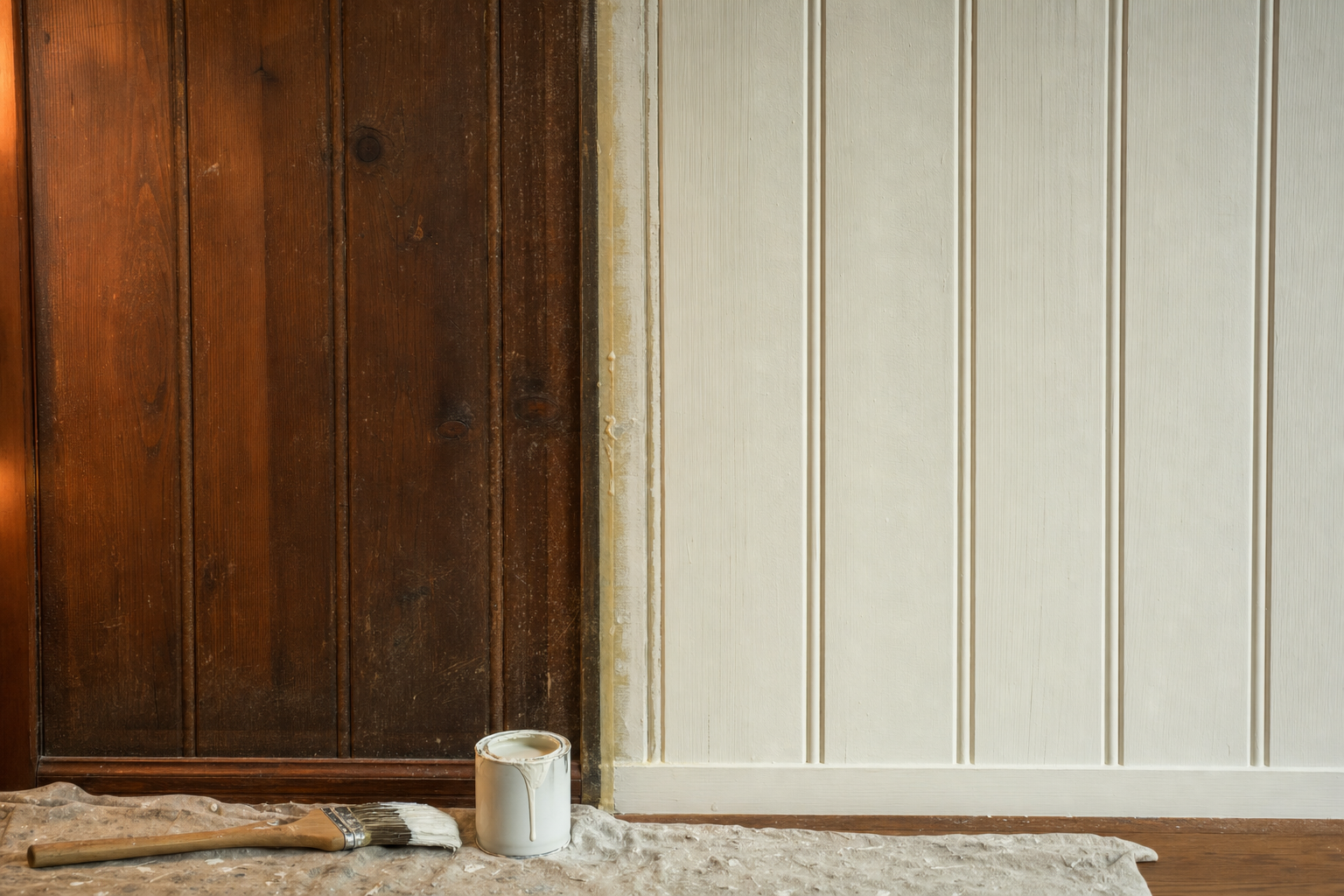
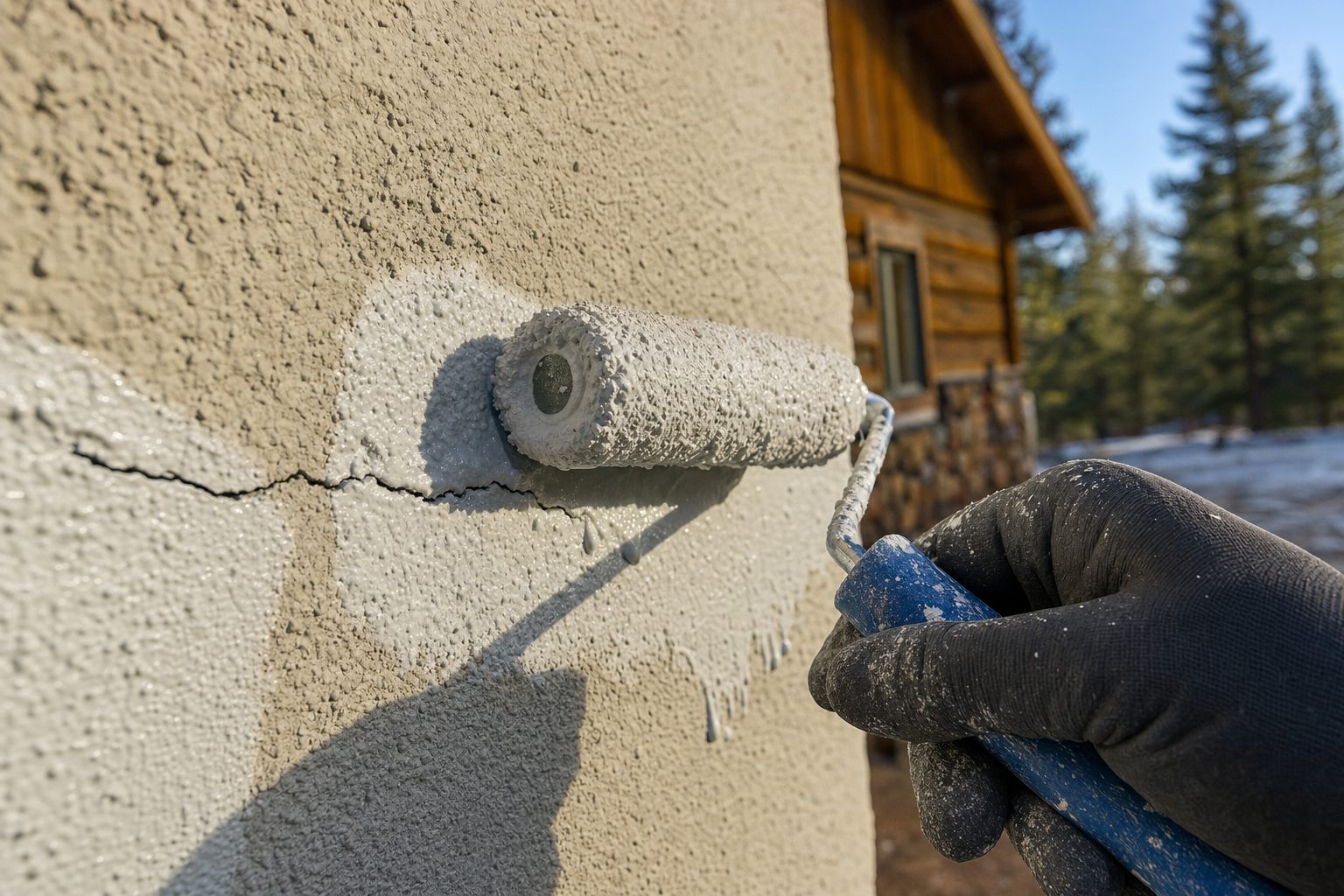
Wallpaper adhesive was designed to bond paper to a wall, not to hold up under a fresh coat of wet paint applied directly on top of it. As that paint dries, the moisture it introduces can reactivate or loosen the old adhesive, especially on older wallpaper that's already been on the wall for years. The result is often bubbling, peeling, or visible seams telegraphing through the new paint — a problem that shows up after the job looks finished, not during it. Removing the wallpaper first, while more labor upfront, avoids this failure mode entirely.
Should You Use Steam or Chemical Solvent for Your Cabin's Walls?
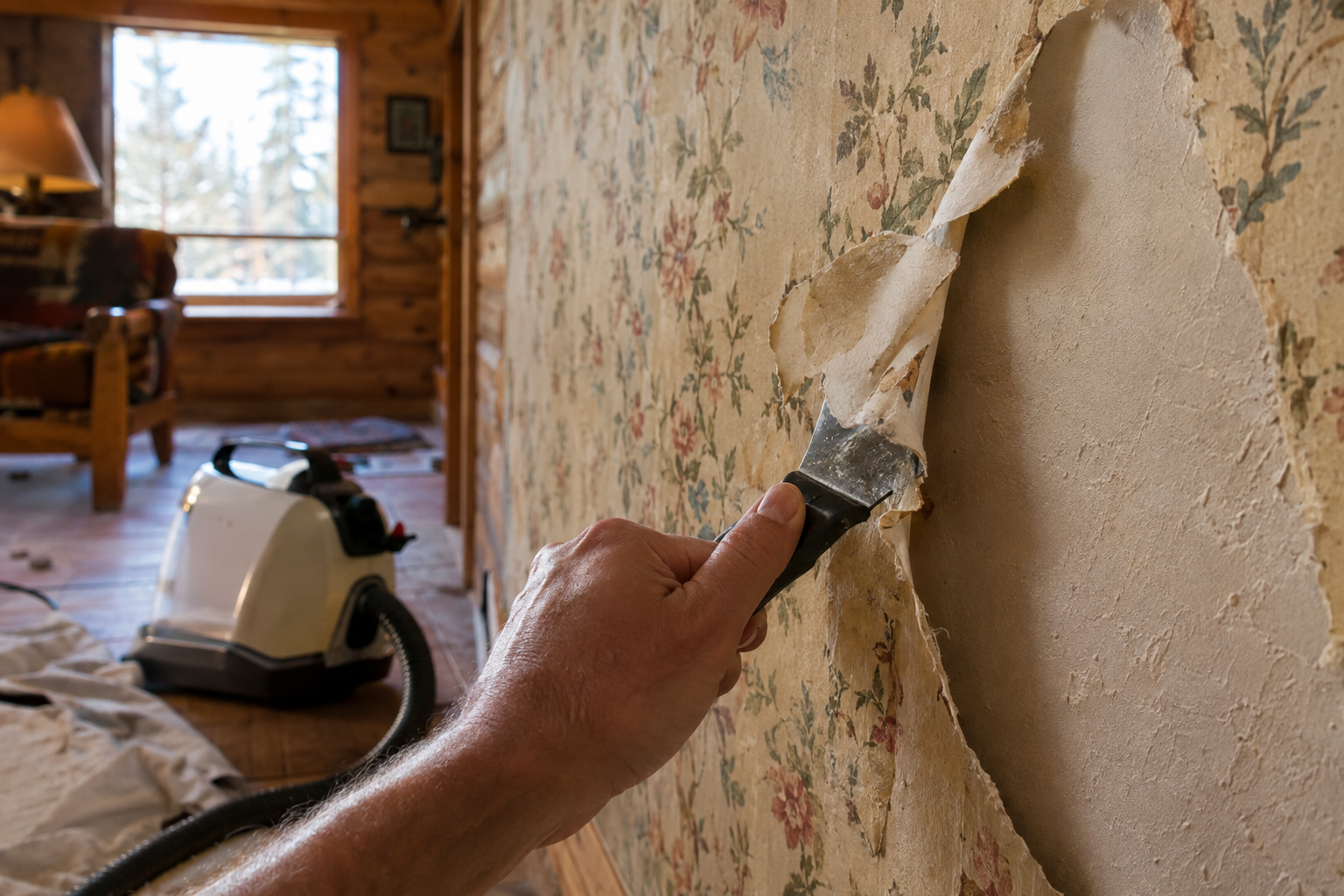
Both methods work, and the right choice depends on your wallpaper type and wall condition. A chemical gel or liquid solvent, applied after perforating the wallpaper surface with a scoring tool, soaks through and softens the adhesive so it can be scraped away — generally the gentler option for delicate wall surfaces. A wallpaper steamer uses heat and moisture to loosen even old, stubborn, multi-layered wallpaper that resists chemical solvents alone, but it introduces more moisture to the wall in the process, which matters for the next consideration.
What's the Real Risk for Older Big Bear Cabins With Plaster Walls?
This is worth knowing before you choose a removal method. Older cabins built with plaster rather than modern drywall carry real risk with steam removal specifically — plaster that's aged or become brittle can loosen or crumble under sustained steam exposure, turning a wallpaper removal project into an unplanned plaster repair project. If your cabin is old enough to have plaster walls, a gentler chemical solvent approach, tested carefully in an inconspicuous area first, is generally the safer starting point.
What Condition Will Your Walls Be in Once the Wallpaper Comes Off?
It's worth setting expectations here rather than assuming a perfectly smooth wall underneath. Leftover adhesive residue, small gouges from the scraping process, and torn drywall paper (on drywall walls specifically) are all common after wallpaper removal, even when the job is done carefully. None of this is unusual or a sign anything went wrong — it's simply the normal condition of a wall that's had wallpaper on it for years, and it's addressed in the repair step before any new finish goes on.
How Do You Repair and Prime Before New Paint or Wallpaper Goes On?
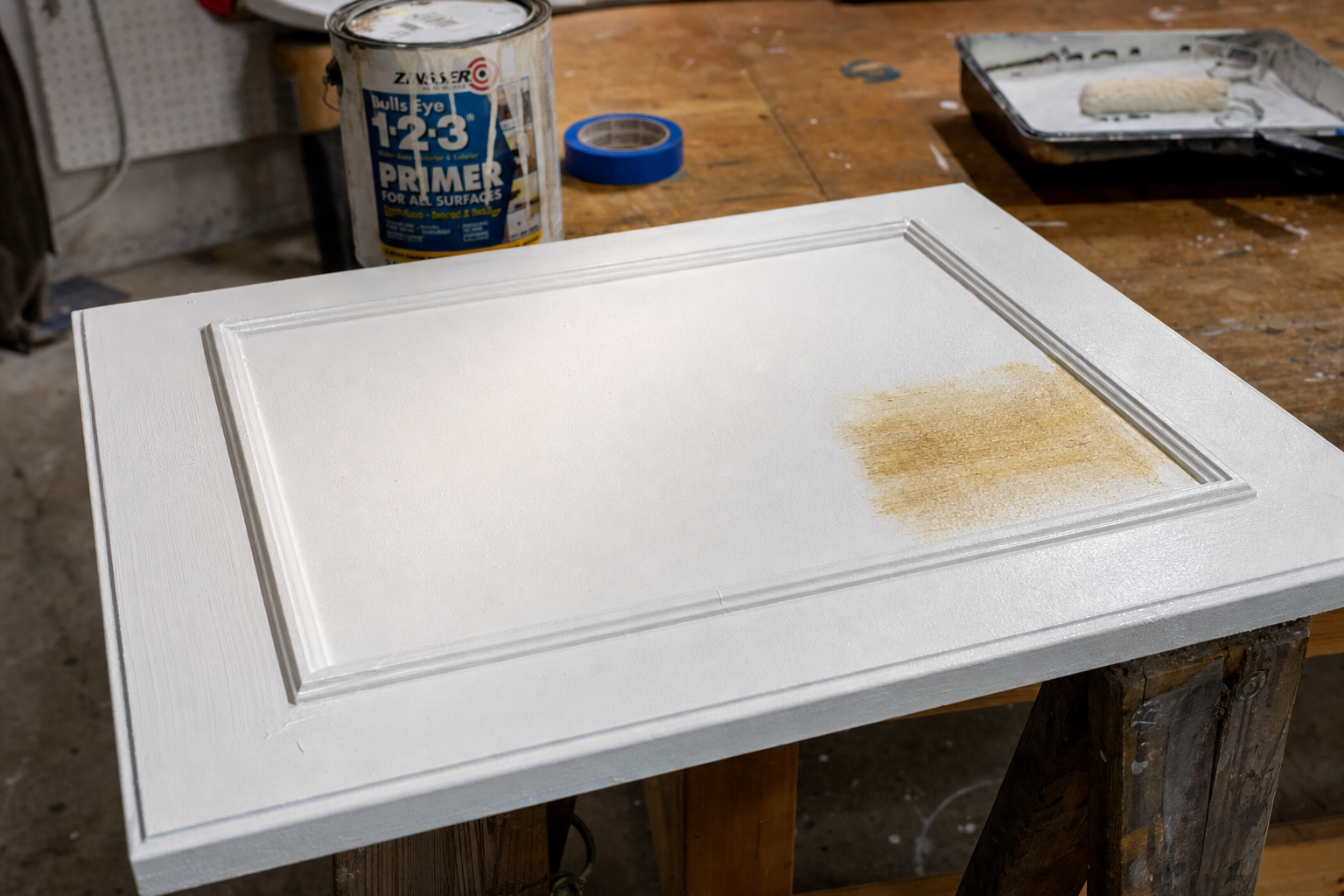
Once the old wallpaper is fully removed, the wall gets washed down to clear any remaining adhesive residue, then any gouges or torn drywall paper get filled and sanded smooth. A stain-blocking primer designed for previously wallpapered surfaces is the right choice here, since it seals in any residual adhesive staining and gives whatever comes next — new paint or new wallpaper — a clean, even surface to bond to. Skipping the priming step after removal is one of the more common shortcuts that leads to an uneven finish or early paint failure.
What Does Wallpaper Removal Cost in Big Bear?
Cost depends on square footage, wallpaper type, number of layers, and wall condition underneath — a single layer of newer, strippable wallpaper on sound drywall costs considerably less to remove than multiple layers of old, heavily adhered paper on aging plaster. We assess the specific wallpaper and wall condition on-site before quoting, since this is a project where the underlying condition drives cost more than the square footage alone.
FAQ
Can I just paint over old wallpaper instead of removing it?
It's not recommended. The moisture in wet paint can loosen the wallpaper's adhesive underneath, causing bubbling or peeling that shows up after the paint has already dried.
Is steam or chemical solvent better for removing old wallpaper?
It depends on your wall type. Chemical solvent is generally gentler and safer for older plaster walls, while steam works well on stubborn, multi-layered wallpaper but introduces more moisture, which can risk loosening aged plaster.
Will my walls be damaged after wallpaper removal?
Some minor adhesive residue, small gouges, or torn drywall paper are common and normal after removal, and are addressed during the repair and priming step before any new finish is applied.
Do I need to prime my walls after removing wallpaper?
Yes. A stain-blocking primer designed for previously wallpapered surfaces seals in any residual adhesive staining and gives new paint or wallpaper a clean surface to bond to.
How much does it cost to remove old wallpaper in Big Bear?
It depends on square footage, number of wallpaper layers, and wall condition underneath, which is why we assess on-site before quoting.
Ready to finally get rid of that old wallpaper?
Call Big Bear Painters at (909) 415-5374 for a free estimate.