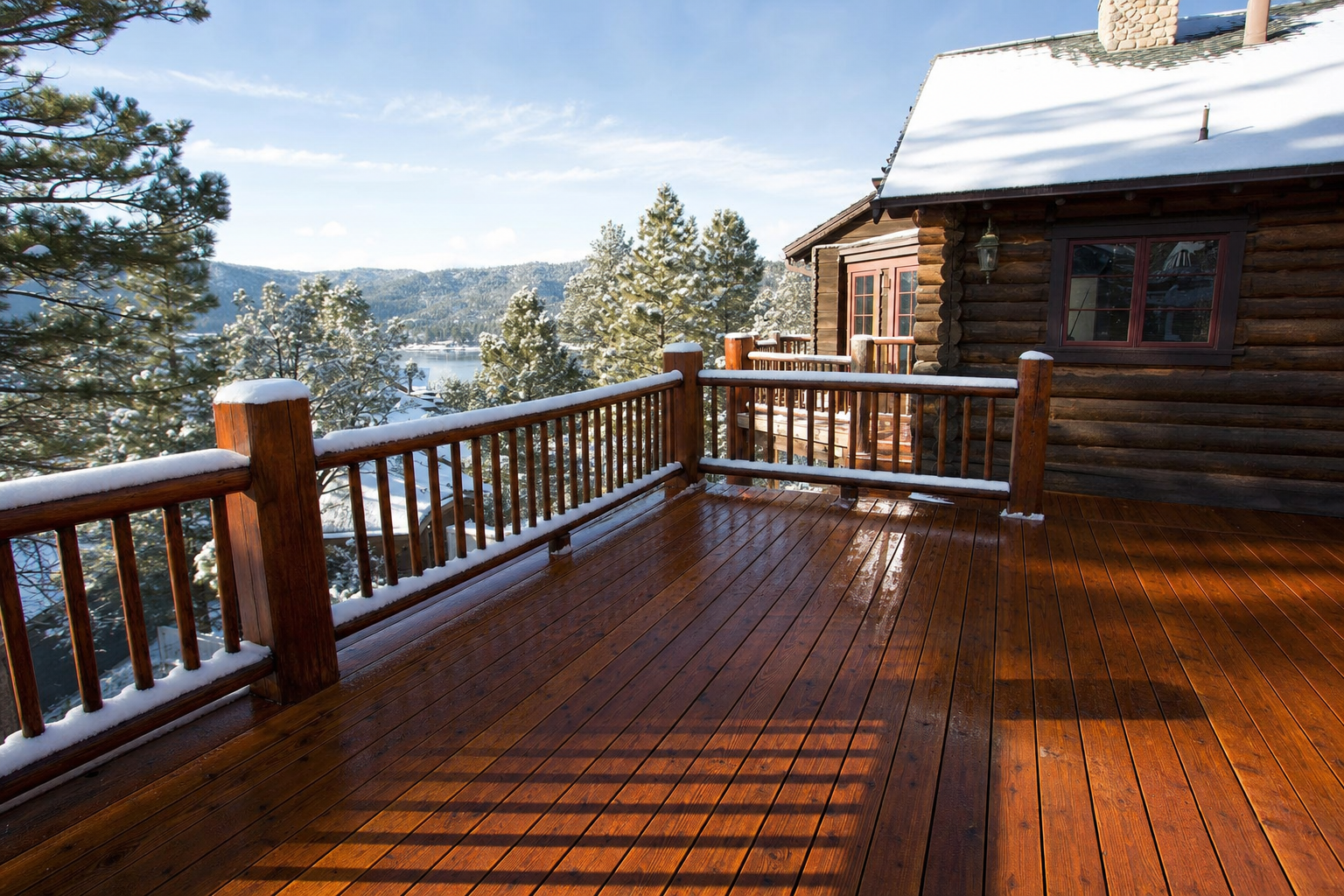
Quick answer: Log homes need stain, not paint. Paint forms a solid, non-breathable film that traps moisture inside the wood — and when humidity gets behind it, which it eventually will, the log rots from the inside out where you can't see it happening. A properly chosen, breathable stain lets logs release moisture naturally while still protecting against Big Bear's intense UV and snow exposure. Most Big Bear log homes need a maintenance coat every 2-4 years depending on the stain type and exposure.
Why Painting a Log Home Is a Mistake, Not Just a Style Choice
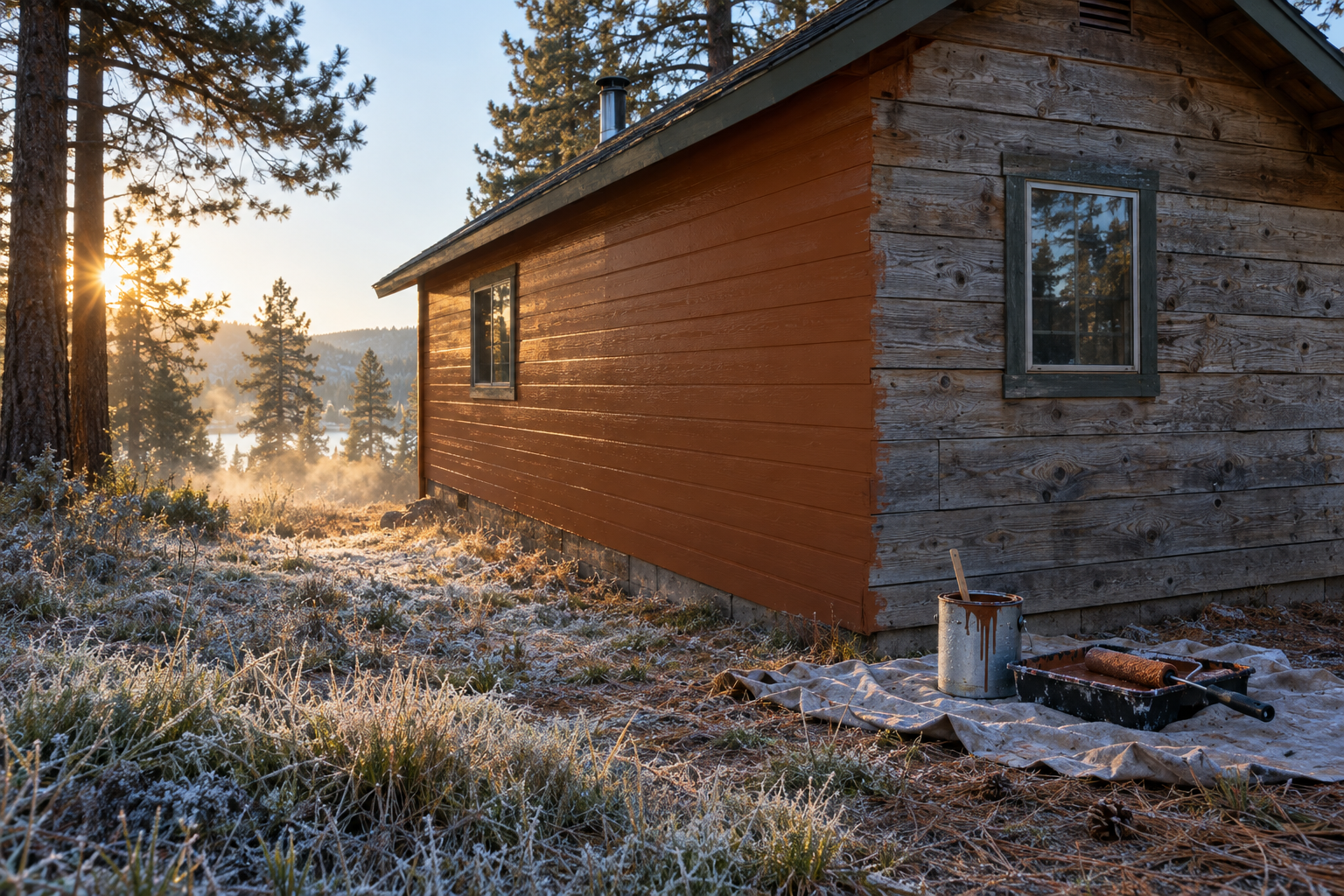
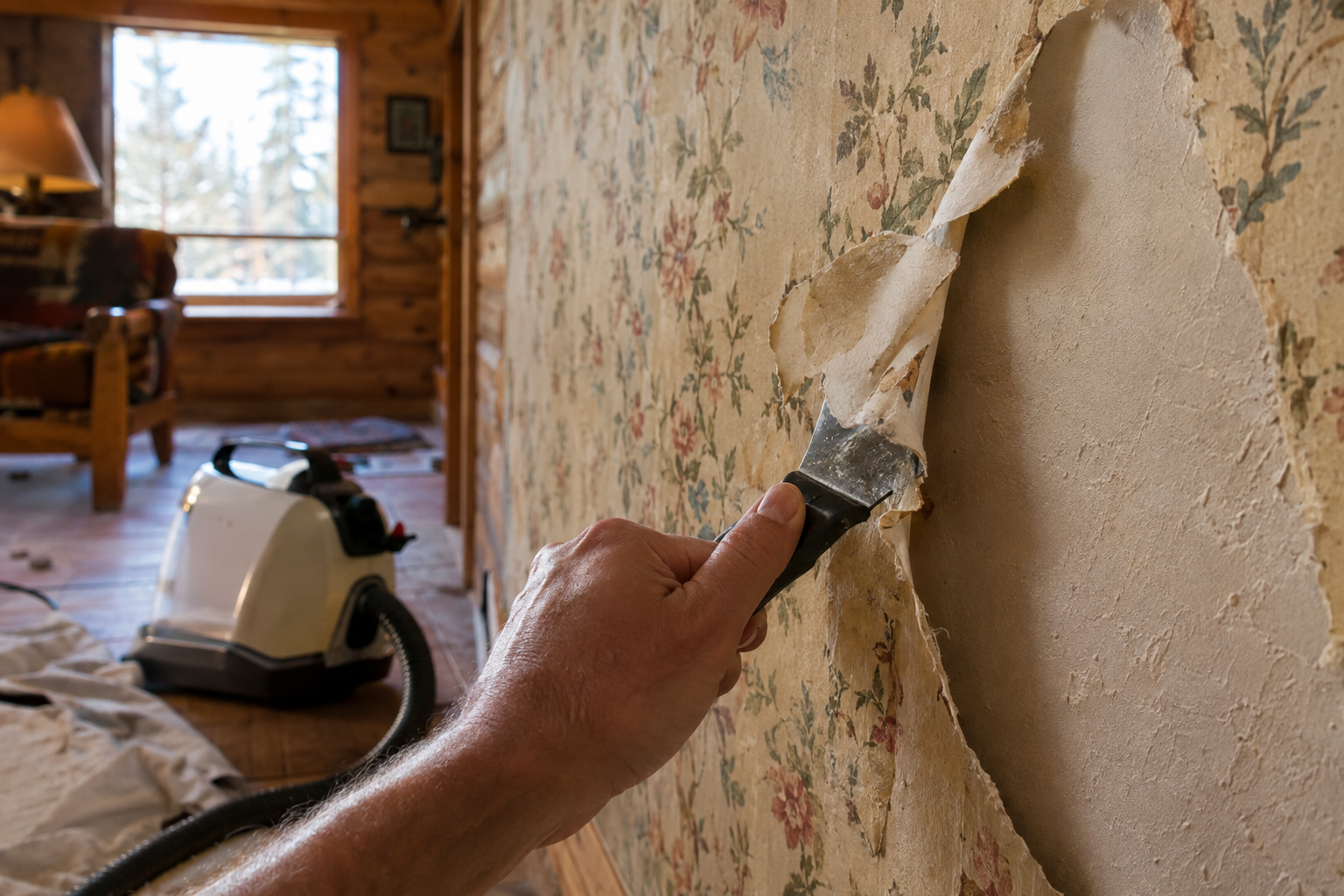
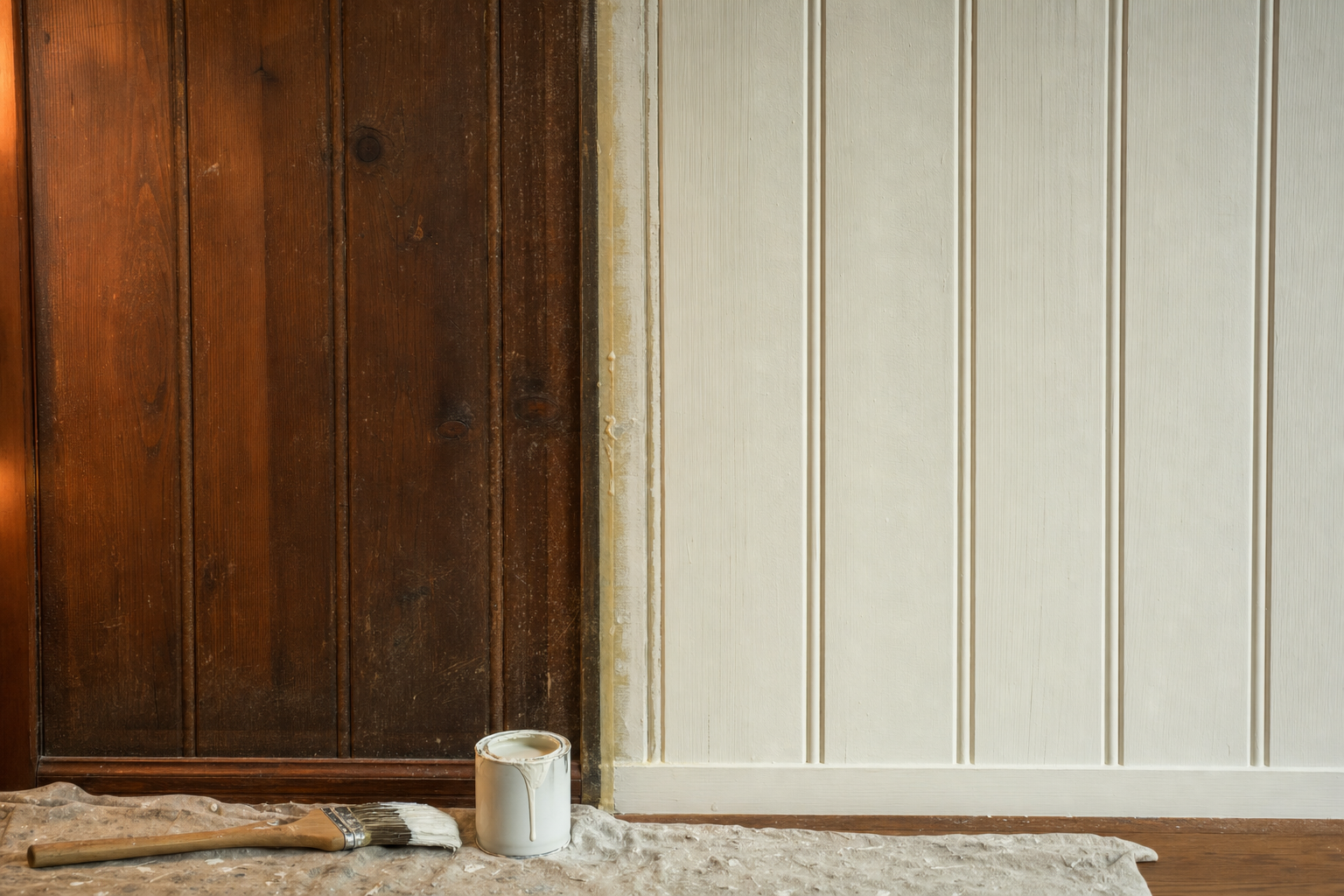
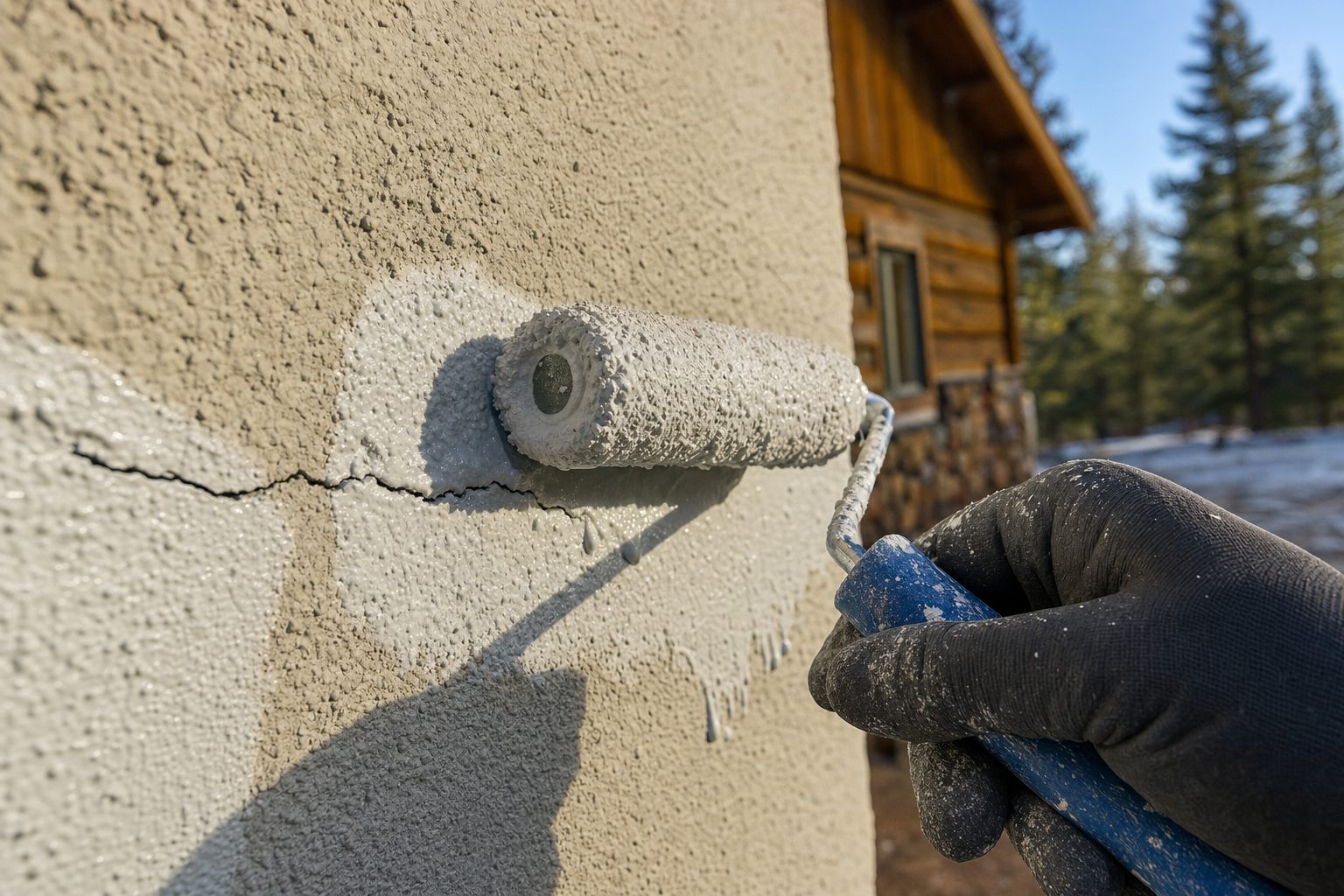
This is worth understanding before you pick any product: paint creates a continuous, sealed film across the surface of a log. That's exactly what you want on stucco or drywall, and exactly what you don't want on solid wood logs that are constantly expanding, contracting, and releasing moisture as temperatures and humidity shift. When moisture vapor gets trapped behind a paint film with nowhere to escape, it condenses inside the wood — and the rot that follows often isn't visible from the outside until it's already extensive. This isn't a rare edge case; it's one of the most common and costly mistakes we see on log properties that were previously treated by someone unfamiliar with log-specific products.
Breathable Stain vs. Film-Forming Stain: What's the Difference?
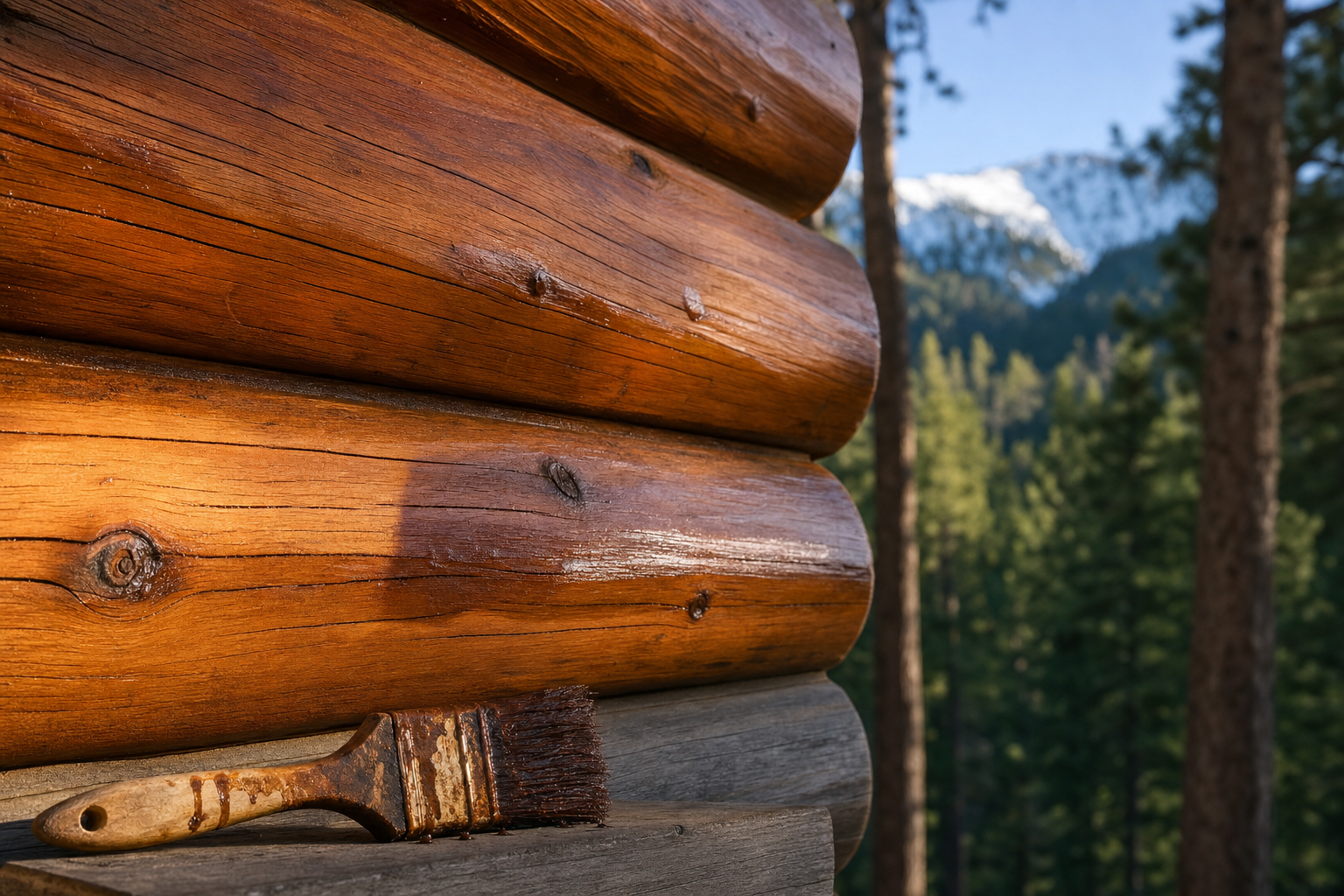
Not all stains behave the same way, and the distinction matters for a Big Bear log home specifically. Penetrating, breathable stains soak directly into the wood fiber rather than sitting on top of it, offering strong UV protection while still letting moisture vapor escape — generally the safer default for most log homes. Film-forming stains create a thin protective "skin" on the surface that bridges small surface cracks and sheds rain more effectively, but they need to stay thin and properly maintained with periodic clear topcoats, because building up too many layers over time can start to create the same moisture-trapping problem paint causes. Either approach can work well when it's the right product applied correctly — the mistake is treating a log home like a standard painted surface.
Oil-Based or Water-Based? What Works Best at Big Bear's Elevation
Oil-based stains penetrate deeper into the wood and generally hold up longer under sustained sun and weather exposure, which makes them a common choice for Big Bear's south- and west-facing log walls that take the most direct UV — the same intense, elevation-driven UV exposure we cover in our
guide to timing a Big Bear repaint. Water-based stains are more breathable, lower-odor, and easier to touch up, which can make them a better fit for less-exposed walls or interior log surfaces. The right call often isn't one product for the whole cabin — it's matching the stain to how much sun and weather each side of the structure actually takes.
What Are "Checks," and Should You Worry About Them?
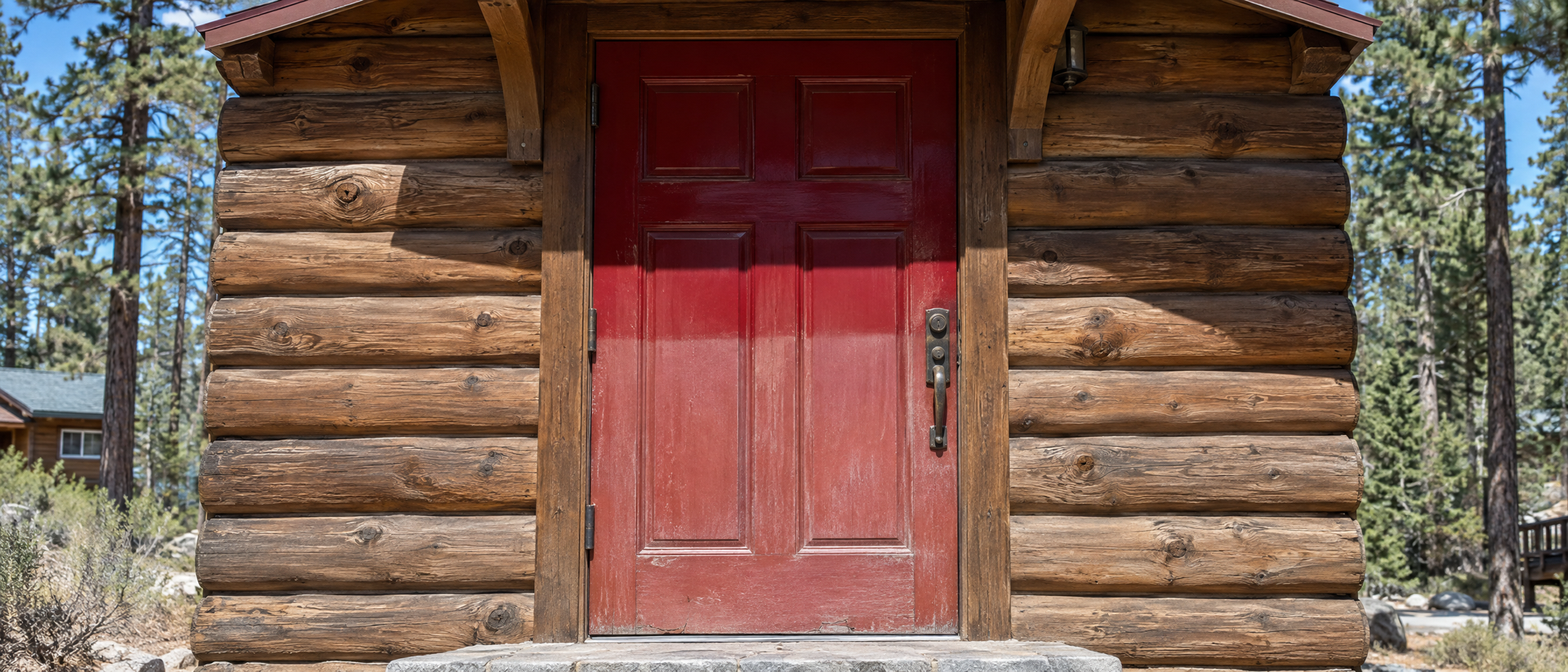
Checks are the natural cracks that develop in logs as they age and continue drying out, and some checking is completely normal — it's not automatically a sign of a problem. What does need attention is any check facing upward, since it can collect and hold water directly against the wood rather than shedding it, creating a direct path for moisture and pests to get in. Left unsealed, this is one of the most common ways rot gets started in an otherwise healthy log home. Part of any proper restaining project includes inspecting and sealing checks like this before applying new stain, not just recoating over them.
How Often Does a Big Bear Log Home Actually Need Restaining?
Most professionally applied stains need a maintenance coat somewhere in the 2-4 year range, with sun-exposed walls typically needing attention sooner than shaded ones. Given how much more intense UV exposure is at Big Bear's elevation compared to lower-elevation log homes, we generally recommend planning toward the shorter end of that range rather than waiting until visible fading or cracking appears — by the time damage is visible, the wood underneath has often already taken some UV or moisture exposure it didn't need to. New construction is a special case too: a fresh maintenance coat one to two years after initial staining is standard practice, since new logs develop their first round of checks fairly quickly as they finish drying out.
The Spring Inspection: Why Timing Your Check-Up Matters Here
Spring is the ideal time for a log home inspection in Big Bear — right after a full winter of snow load, freeze-thaw cycling, and moisture exposure, and before the most intense summer UV season begins. Catching a failing stain coat or an unsealed check in spring means addressing it before another full season of exposure does more damage, which is almost always the difference between a straightforward maintenance coat and a much more involved restoration project.
FAQ
Can I just paint my log home instead of staining it?
No, this is genuinely not recommended. Paint forms a non-breathable film that traps moisture inside the wood, which can cause rot from the inside out. Log homes need a breathable stain product specifically formulated for wood that moves and releases moisture.
How often should a log home be restained in Big Bear?
Most log homes need a maintenance coat every 2-4 years, with sun-exposed walls typically needing it sooner given Big Bear's elevated UV exposure. New construction usually needs its first maintenance coat within 1-2 years.
Are the cracks in my log home's wood normal?
Some checking is a normal part of logs aging and drying. What matters most is sealing any upward-facing checks, since they can collect water and create a path for rot or pest intrusion if left untreated.
Should I use oil-based or water-based stain on my log home?
Oil-based stains generally penetrate deeper and hold up longer under heavy sun exposure, making them a common choice for south- and west-facing walls. Water-based stains offer more breathability and easier touch-ups, often better suited to less-exposed areas.
When's the best time to have a log home inspected in Big Bear?
Spring, right after winter snow and freeze-thaw stress and before peak summer UV exposure begins. Catching problems early is far less costly than addressing them after another full season of exposure.
Don't let the wrong product put your log home's structure at risk. Big Bear Painters uses log-specific stain systems built for this elevation.
Call (909) 415-5374 for a free estimate.